What Makes Dunedin Real Estate Different — A Local’s Honest Guide to the Market
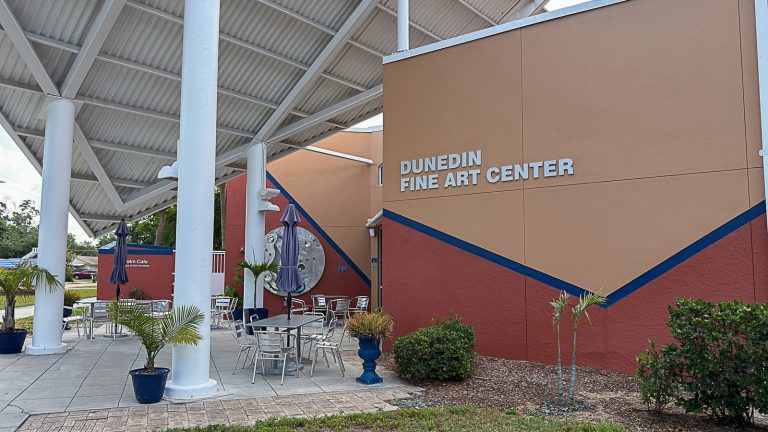
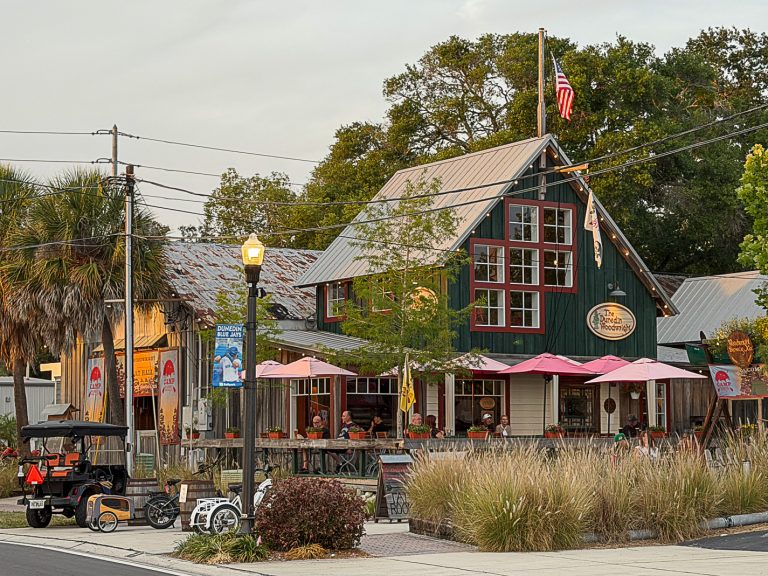
Most people discover Dunedin by accident. A friend recommends it, a weekend visit turns into three days, and somewhere between the waterfront and the second craft beer on Main Street, the thought surfaces: what would it cost to live here?
It’s a reasonable question — and one that deserves a more honest answer than most real estate websites give. Because Dunedin’s market has a logic to it that isn’t obvious from a Zillow scroll or a list of median prices. The city is small, geographically bounded, and genuinely distinctive in ways that drive real estate decisions as much as any spreadsheet does. Understanding why homes here hold their value — and what to watch out for — requires understanding the place first.
I’ve been a Realtor in Dunedin for more than fifteen years, and I’ve lived here longer than that. I’ve sold homes in every neighborhood in this city, through multiple market cycles, through two significant hurricanes, and through the kind of dramatic post-pandemic price appreciation that reshaped the entire Tampa Bay region. What follows is what I’d tell a close friend who asked me, honestly, how Dunedin’s real estate market actually works.
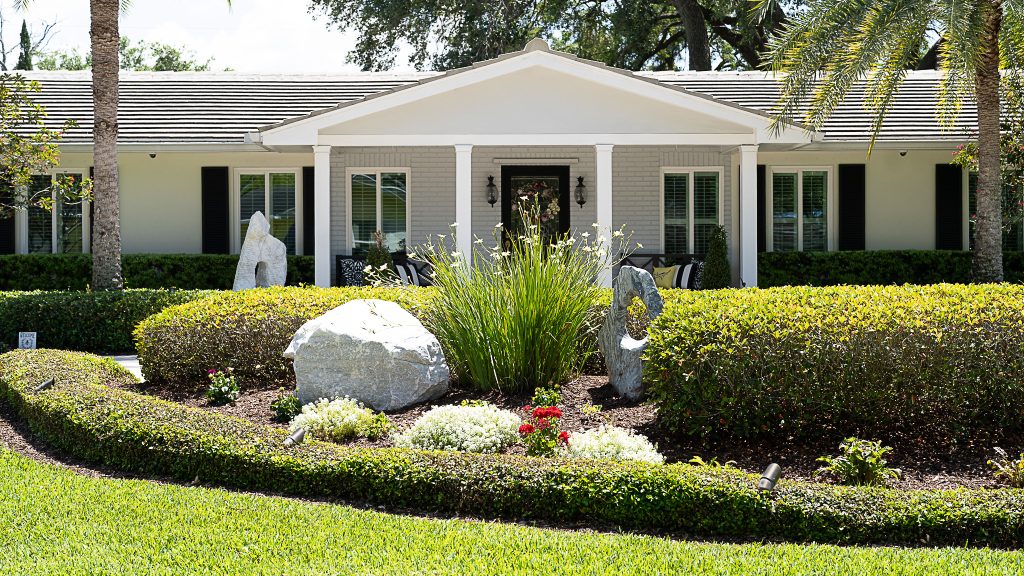
Why Dunedin Is Structurally Different From Most Florida Markets
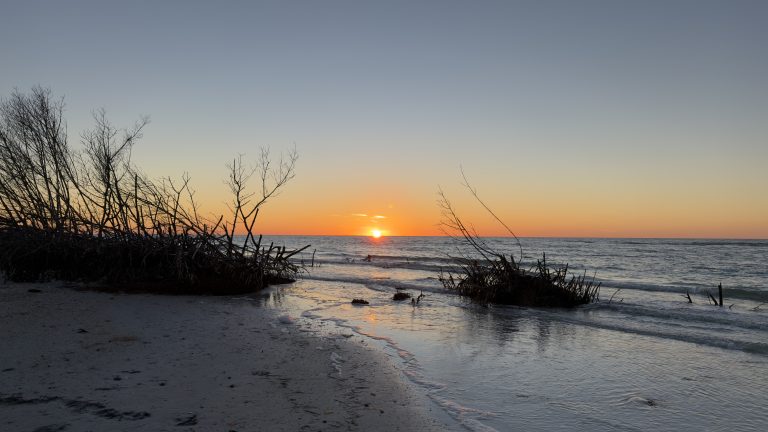
Florida has a sprawl problem. Most of it is interchangeable — strip malls giving way to subdivisions giving way to more strip malls, with the Gulf somewhere off in the distance. Dunedin is one of the few places on the Gulf Coast that resisted that pattern, and it wasn’t an accident. The city made deliberate choices about its character over decades: a walkable downtown, an independent business culture, a genuine park system, an arts community with real roots. It preserved what other Florida cities paved over.
That preserved character is the foundation of Dunedin’s real estate value. When people pay a premium for a home here, they’re not paying for the house alone — they’re paying for the lifestyle that surrounds it. The ability to walk to dinner, to the marina, to live music, to a farmers market on a Saturday morning. The ability to run most of your daily life without getting in a car. The sense of being embedded in a community that knows itself and takes its own identity seriously.
That’s not marketing language. It’s the practical reason why Dunedin consistently outperforms neighboring communities on resale, on days-on-market for quality listings, and on price stability through market cycles. Character is scarce, and scarcity holds value.
The Inventory Reality: Why Good Homes Move Fast
Dunedin has roughly 35,000 residents and defined geographic limits — the Gulf to the west, Clearwater to the south, Palm Harbor and Safety Harbor to the north and east. The city isn’t going to grow outward. New residential development is limited by design and by geography, which means the existing housing stock is what there is.
In practical terms: fewer than 50 single-family homes are typically available within Dunedin city limits at any given time. When a well-priced, well-conditioned home in a desirable neighborhood comes to market, the buyers who have been waiting — and there are always buyers waiting — move quickly. Price reductions are relatively rare on quality listings. Days-on-market statistics for the best properties are often measured in days, not weeks.
This is not urgency marketing. It’s what the data shows, consistently, year after year. Buyers who succeed in Dunedin are almost always the ones who have done their homework before they need it — who understand the neighborhoods, have their financing fully prepared, and can make a confident decision when the right property surfaces. Buyers who are still researching the market when the right house appears tend to miss it.
The Flood Zone Conversation: What Post-Helene Dunedin Really Looks Like
Anyone giving you an honest picture of the Dunedin real estate market in 2026 has to address flood zones directly. Hurricane Helene’s September 2024 landfall was a defining event for how buyers, sellers, lenders, and insurers think about coastal Pinellas County properties. The conversation has changed — and the change is permanent.
The most important thing to understand is that Dunedin is not uniformly affected. The city has meaningful elevation variation, and flood risk in Dunedin is a neighborhood-by-neighborhood, and sometimes parcel-by-parcel, reality. Some areas — Dunedin Isles, Shore Crest, South Dunedin, the Causeway corridor — sit in flood zones where insurance costs have risen materially and where Helene-era flood history is now part of the documented property record. Other neighborhoods — Fairway Estates, Ranchwood Estates, Wilshire, Winchester, Highland Woods — sit at higher elevations and largely remained dry.
What this has created is a genuine bifurcation in the market. Waterfront and low-lying properties carry real carrying costs — insurance premiums that can run significantly higher than buyers accustomed to inland markets expect — alongside the lifestyle premiums that have always driven their value. Higher-elevation properties have seen increased relative demand from buyers who want the Dunedin lifestyle without the flood exposure.
Neither category is a bad investment if you understand what you’re buying. But this is exactly the kind of nuance that requires a Realtor with genuine local knowledge — someone who can hand you a FEMA flood map, explain what the flood zone designation means for insurance underwriting, and tell you which specific blocks in which neighborhoods performed differently in September 2024.
Historic Districts: What Contributing Status Means for Your Investment
Dunedin has several neighborhoods with historic district designations, and within those districts, individual properties carry either contributing or non-contributing status. This distinction matters more than most buyers initially realize.
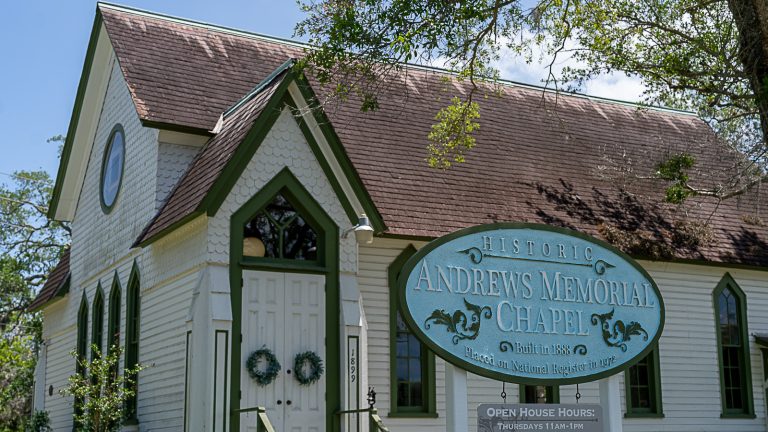
A contributing property is one that the historic district recognizes as architecturally or historically significant — it’s a property whose character the district is designed to protect. If you own a contributing historic property, renovation and exterior modification work is subject to review and approval through the city’s historic preservation process. That’s not a barrier; it’s a framework. The good news is that it protects your neighbors from doing something that would compromise the character of the street you bought into. The discipline of that framework is part of what makes historic Dunedin neighborhoods so visually coherent and so consistently desirable.
Non-contributing properties within a historic district may have more renovation flexibility, though they’re still within the broader district context. Properties outside any historic district designation carry standard municipal renovation rules.
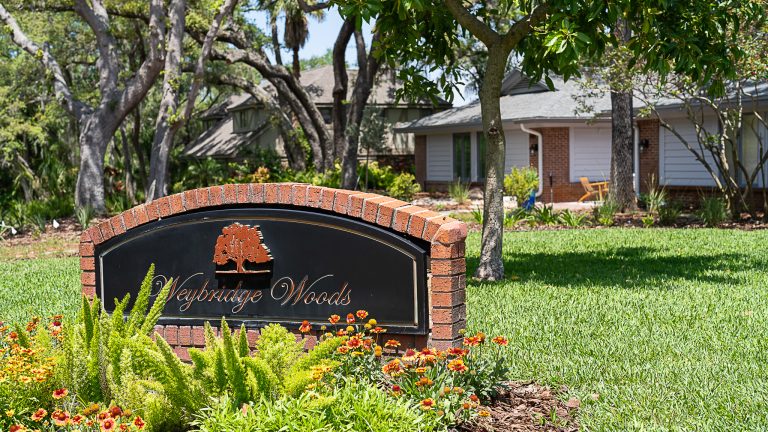
For buyers interested in historic homes — the bungalows and cottages and Arts and Crafts homes that give Dunedin’s older neighborhoods their character — understanding contributing status before making an offer is essential due diligence. It affects renovation scope, renovation timeline, and sometimes renovation budget. It does not, in my experience, negatively affect value. Quite the opposite: the most architecturally intact historic properties in Dunedin consistently command premiums that reflect the genuine scarcity of original character in a market where it’s been steadily renovated away elsewhere.
What Drives Value in Dunedin: A Practical Framework
After more than fifteen years in this market, these are the factors I’ve consistently seen drive value in Dunedin real estate, in roughly descending order of impact:
Walkability to downtown
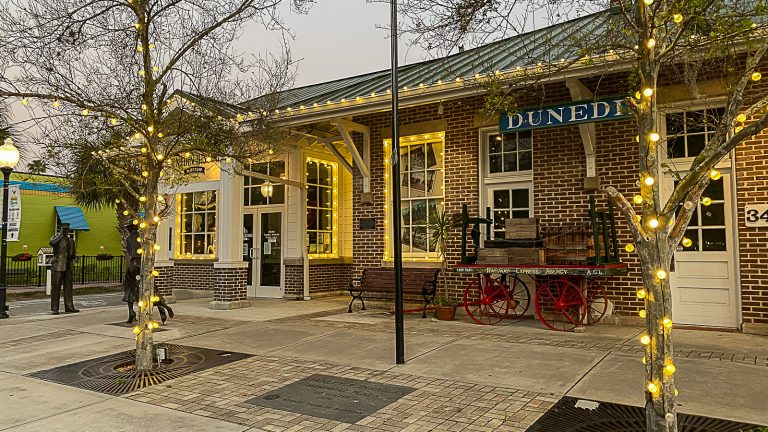
The closer a home is to the Main Street corridor — to the restaurants, the marina, the Pinellas Trail access, the general energy of downtown Dunedin — the more it commands. Walk Scores in the true downtown core reach into the 80s and 90s by Florida standards, which is exceptional. Buyers who want to live inside the city’s culture rather than drive to it consistently pay for that proximity, and they’re right to — it’s a genuinely scarce amenity.
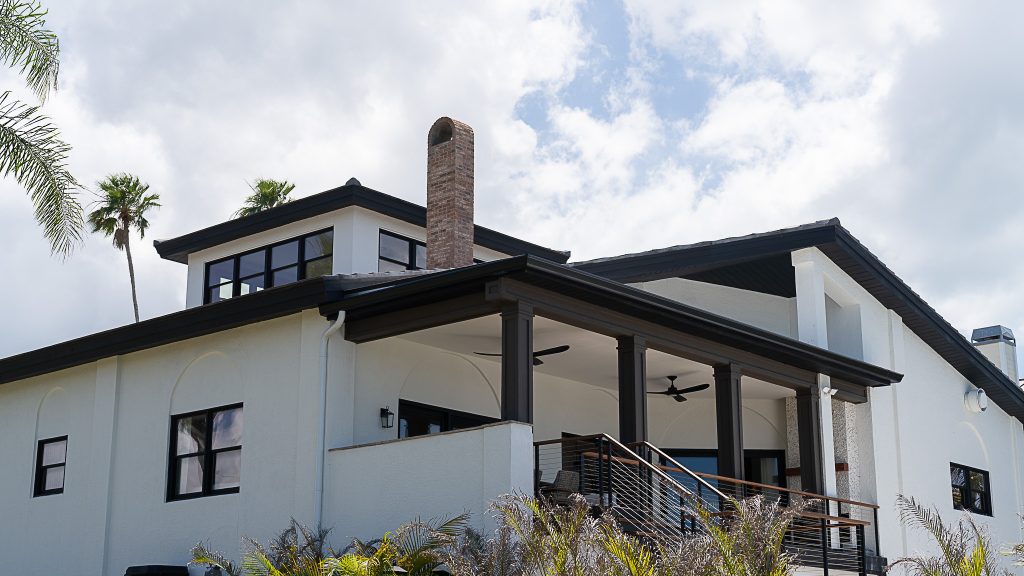
Water access and Gulf proximity
Waterfront homes in Dunedin command significant premiums — anywhere from 30% to more than 100% over comparable non-waterfront properties, depending on the nature of the water access. Direct Gulf Intracoastal frontage with dock access is the top tier. Water-view properties and Gulf-adjacent properties carry their own premium below that. Post-Helene, the flood zone carrying costs on waterfront properties have become a more central part of the value calculus — but the underlying demand for waterfront living in Dunedin hasn’t diminished. The buyers are simply more informed.
Architectural character
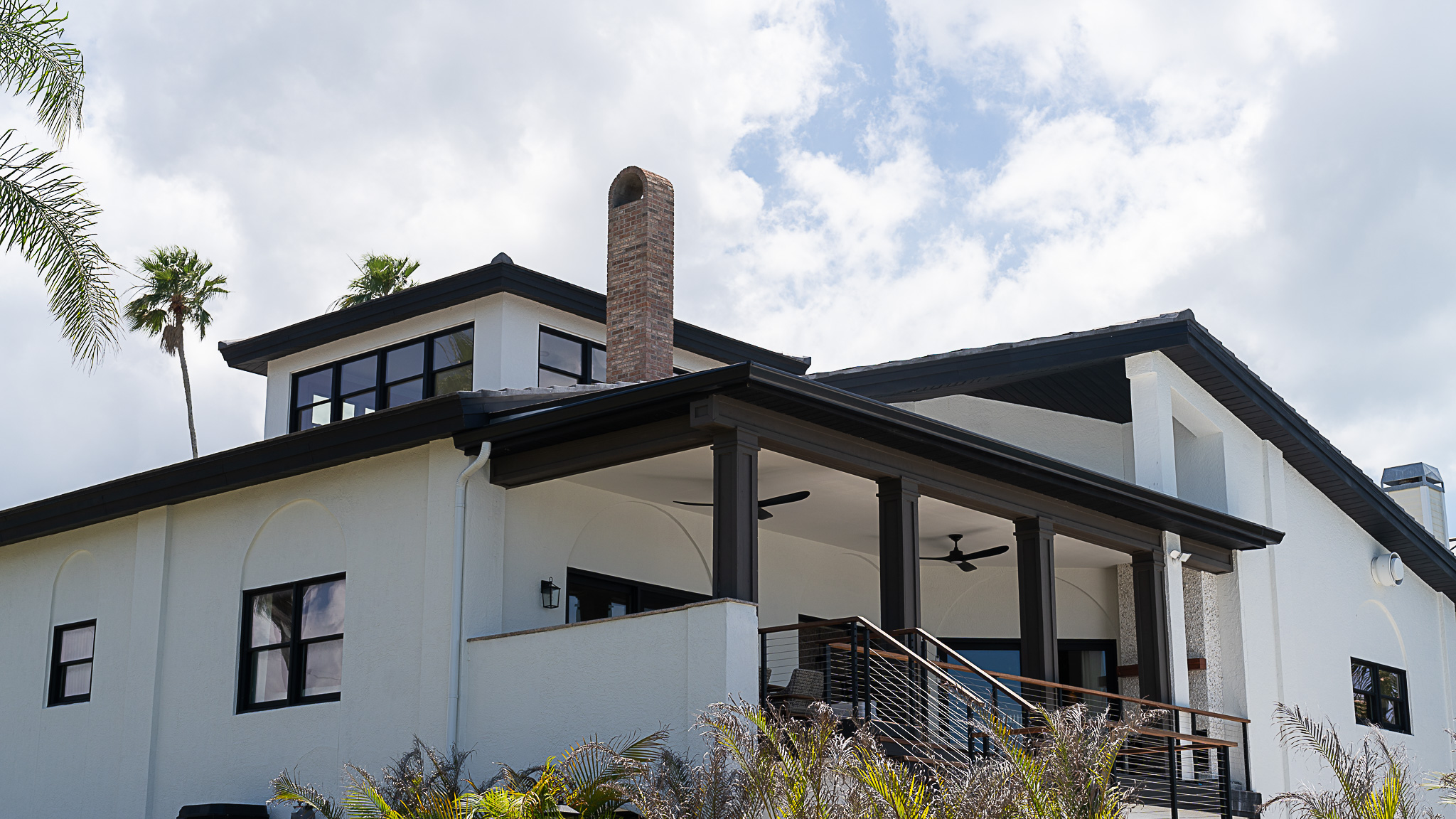
This is specific to Dunedin in a way that isn’t true of most Florida markets. Buyers consistently come here specifically for the bungalows, the Arts and Crafts homes, the Florida vernacular cottages of the 1920s and 1930s. A well-preserved or thoughtfully restored historic home in Dunedin carries a character premium that comparable square footage in a standard Florida ranch or a newer build simply does not. That premium has been remarkably stable across market cycles.
Flood zone position and elevation
Post-Helene, this has moved up in the value framework. Properties in FEMA Flood Zone X — the designation that indicates minimal flood risk — carry lower insurance costs and, increasingly, are receiving explicit buyer preference over comparable properties in AE or VE zones. When two otherwise similar Dunedin homes are priced comparably, flood zone status is now often the deciding factor.
Condition and update quality
Dunedin buyers are generally sophisticated. They know that a renovated kitchen photograph doesn’t tell the whole story, and they’ve become more attentive to the difference between a home that has been genuinely updated — roof, HVAC, electrical, plumbing, windows — versus one that has received cosmetic attention only. In a market where good inventory is scarce and competition is real, the homes that have been maintained and updated properly hold their value through the inspection process and close cleanly. The ones that haven’t tend to surface problems at exactly the wrong moment.
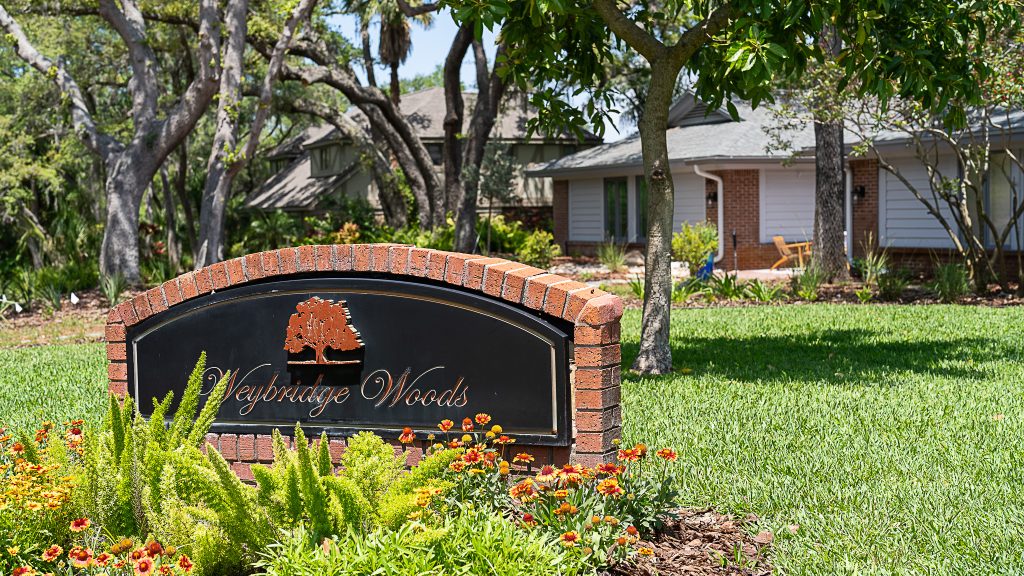
What the Market Looks Like for Sellers in 2026
Dunedin sellers in the right neighborhoods with well-maintained homes are in a strong position. Inventory remains constrained, buyer interest in the city hasn’t diminished, and the fundamental scarcity argument that has driven Dunedin’s long-term price appreciation is still intact.
The nuance is in the pricing. Dunedin buyers in 2026 are more data-literate than they’ve ever been. They arrive with Zillow histories, flood zone maps, insurance quotes, and neighborhood-level sales comps already in hand. Overpriced listings — and there are always some — sit. Correctly priced listings in desirable neighborhoods, especially those with the condition and documentation that allows buyers to move confidently, are still moving at strong values.
For waterfront and flood-zone properties, the preparation required to sell well in this market has increased. Sellers who come to the table with current elevation certificates, documented flood history (or its absence), and realistic insurance cost information for buyers give themselves a significant advantage over sellers who leave those questions for buyers to discover on their own — which they will, and which creates renegotiation friction.
The sellers who succeed in Dunedin are the ones who prepare their home — and their documentation — before it goes to market. The ones who simply list and hope for 2022 prices without the preparation to justify them are consistently disappointed.
What the Market Looks Like for Buyers in 2026
Buyers have more leverage than they did in 2022 and 2023, but this is not a buyer’s market in any conventional sense. It’s a market where preparation and knowledge are the differentiating factors.
The buyers who are succeeding in Dunedin right now are doing a few things consistently: they understand the flood zone picture before they fall in love with a specific address; they have their financing fully prepared and can move decisively; they’ve identified which neighborhoods genuinely fit how they want to live; and they’re working with a Realtor who knows the market at the street level, not just the zip code level.
The buyers who are struggling are the ones approaching Dunedin the way they might approach a larger, more liquid market — scrolling Zillow, making casual inquiries, waiting to see what comes up. In a market with fewer than 50 active single-family listings at any given time, that approach consistently results in watching the right houses sell to buyers who were ready.
For buyers considering waterfront or coastal properties, the additional homework is real but navigable: flood zone designation, elevation certificate, current insurance quotes from multiple carriers, HOA financials if applicable, and a clear-eyed conversation about what those carrying costs mean for your total budget. Buyers who do that work before making an offer are in a far stronger position than those who discover it during the inspection period.
The Conversation I Find Most Useful
When someone calls me about Dunedin real estate, the most useful conversation we can have isn’t about a specific listing. It’s about how they want to live — which neighborhoods actually fit their daily life, what they’re willing to trade off between walkability and water access and flood zone position and price, and what their timeline looks like.
Once that picture is clear, everything else becomes more focused and less stressful. The search is narrower. The decisions are faster. And when the right property comes to market — as it always eventually does — the buyers who have done that work are the ones who are ready to move.
Dunedin is genuinely worth it. I’ve been here for more than fifteen years, and I’ve watched it hold its character through growth pressures, through storm cycles, through the kind of real estate speculation that stripped the identity from so many Florida communities. It’s still here. The oranges are still on the walls. The morning market is still on the waterfront. The Pinellas Trail still runs through the center of town. The marina at sunset is still what it was.
That doesn’t happen by accident. And it’s not going away.
—
Ready to Talk About Dunedin?
I’m Mark Middleton, Realtor® Broker Associate with Middleton Tampa Bay at Compass. Dunedin is genuinely home — not a market I service from a distance, but a community I’m embedded in, with deep knowledge of its neighborhoods, its history, and its real estate market through multiple cycles.
If you’re thinking about buying or selling in Dunedin and want to talk through where you’d actually fit and what the market looks like right now, I’d be glad to have that conversation.
Call or text 727-871-SOLD (727-871-7653) or request a complimentary Dunedin home valuation at middletontampabay.com.
Mark Middleton is a Realtor® Broker Associate with Middleton Tampa Bay at Compass, specializing in historic, character, and waterfront homes across the Tampa Bay area. He holds designations including GRI, CIPS, CRB, SRS, PSA, ABR, RSPS, and SFR, and serves as Vice President of the Suncoast Tampa Realtor Association and as incoming District Governor for Rotary District 6950.